

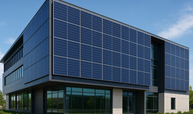
You’ll find aluminum composite wall panels deliver a lightweight, flat, and durable cladding option that balances aesthetics with practical performance for both exterior and interior projects. If you need a sleek, low-weight panel system that resists weathering, holds crisp finishes, and simplifies fabrication and installation, ACM panels often provide that solution.
This article Aluminum Composite Wall Panel will walk you through what ACM is, how its layered construction affects strength and fire performance, and what to consider during installation to get long-term results that match your design intent.
Aluminum Composite Wall Panel Overview
Aluminum composite wall panels combine thin aluminum skins with a lightweight core to deliver flat, durable cladding that you can shape, install, and maintain with predictable performance. You get options for fire rating, finish, and panel size that affect cost, code compliance, and long-term durability.
Key Features and Benefits
You get a flat, uniform facade surface because two aluminum sheets are bonded to a stable core; this resists warping and keeps visual consistency across large elevations. Panels typically weigh far less than solid metal cladding, which simplifies handling, reduces framing loads, and often lowers installation labor and anchorage costs.
Appearance options include PVDF, polyester, or anodized finishes in solid colors, metallics, and custom patterns. These finishes improve fade resistance and cleanability. Expect good impact resistance and weathering performance; damage usually affects only the outer skin rather than structural support. When you specify panels, check published wind-load limits, thermal expansion details, and manufacturer warranty terms.
Types of Aluminum Composite Wall Panels
You can choose panels by finish, edge profile, and core composition. Popular finish systems are PVDF (super-durable, used for facades), polyester (cost-effective for interiors or sheltered exteriors), and anodized aluminum (durable metallic look). Profiles include flat, curved, and routed options for signage or reveal patterns.
Core types matter: polyethylene (PE) cores are common for signage and some facades but have lower fire performance. Mineral-filled or fire-retardant (FR) cores offer improved fire resistance to meet stricter codes. Structural ACM/ACP panels with thicker skins and cores suit high-span applications. Match panel type to project requirements: budget, fire code (local and national), wind load, and desired longevity.
Core Materials and Construction
Construction uses two thin aluminum sheets (usually 0.20–0.50 mm) bonded to a central core under heat and pressure. Bond quality and lamination process control flatness, peel strength, and long-term adhesion. You should request manufacturer data on peel strength and accelerated-aging tests.
Core materials vary: PE (polyethylene) cores are lightweight and inexpensive but combustible. FR cores incorporate mineral fillers or non-combustible materials to reduce flame spread and smoke. Solid mineral cores (e.g., filled with aluminum hydroxide) and non-combustible mineral core systems meet higher fire classifications. Verify laboratory fire-test reports (e.g., EN, ASTM) for the exact panel model you specify.
Common Applications in Architecture
You will find these panels on commercial facades, retail storefronts, corporate headquarters, and transit stations where crisp lines and color consistency matter. Use them for rainscreens, soffits, canopy cladding, and interior feature walls; they integrate with curtain wall framing and column covers.
Designers often choose ACP for large-format signage, ATMs, and kiosk exteriors because of flatness and printability. In high-rise or high-occupancy projects, specify FR or non-combustible cores and confirm compliance with local fire and building codes before permitting.
Installation and Performance Considerations
You will manage attachment methods, maintenance needs, fire performance, and finish choices to ensure the wall system performs as intended. Each decision affects weatherproofing, longevity, code compliance, and the visual outcome.
Installation Methods and Best Practices
Use a rain-screen or ventilated cavity system for exterior ACM panels to control moisture and condensation. Secure panels to a grid of vertical and horizontal aluminum or stainless-steel subgirts; space and gauge depend on wind loads, span, and panel size.
Fasten panels with concealed clips, rivets, or through-fastening per manufacturer details and local code. Allow thermal movement with slip joints and backer clips; omit rigid restraint at all four edges. Seal joints with compatible gaskets and high-quality silicone or polyurethane sealants rated for UV and thermal cycling.
Cut panels with carbide blades or CNC routers; deburr edges and clean cut areas before finishing. Follow torque specifications for mechanical fixings and perform water-penetration mock-ups at transitions (windows, corners, parapets) before full installation.
Durability and Maintenance Requirements
Inspect joints, sealants, and fasteners annually for gaps, corrosion, or movement, and re-torque or replace components as needed. Clean painted or PVDF-coated surfaces with mild detergent and low-pressure wash every 6–12 months in polluted or coastal environments.
Address dents, coating scratches, and edge corrosion promptly to prevent substrate degradation. Replace perimeter gaskets and backer rods on a predictable schedule (typically 5–10 years depending on exposure). Keep detailed records of maintenance actions, including sealant types and batch info, to support warranty claims.
For mechanical damage or localized delamination, remove and replace affected panels following manufacturer repair procedures rather than patching in place whenever possible.
Fire Safety and Regulatory Standards
Select ACM cores and assemblies that meet your jurisdiction’s fire classification. In many Canadian and international codes, core composition (polyethylene vs. mineral-filled) drives combustibility and allowed use on high-rise façades.
Verify third-party test reports: furnace/heat release, ASTM E84 (or EN 13501 equivalence), and NFPA 285 where applicable for multi-story applications. Ensure through-wall details prevent hidden cavity spread; use firestops, cavity barriers, and non-combustible insulation at floor lines and penetrations.
Coordinate with your code consultant or authority having jurisdiction early. Keep product data, lab reports, and installation records on site for inspections and for future façade modifications.
Design Versatility and Finishing Options
Choose from single- or dual-sided aluminum skins with core thicknesses tailored to panel rigidity and span requirements. Standard panel widths and lengths vary by manufacturer, but you can specify custom sizes, perforations, and formed shapes for signage, soffits, and returns.
Finishes include PVDF or FEVE fluoropolymer coatings, anodized, and post-coated metallics. PVDF offers long-term color and gloss retention; specify PVDF film thickness, pretreatment, and warranty limits. Textures, woodgrain, and digital-printed imagery expand aesthetics while each finish adds specific maintenance and repair considerations.
Coordinate edge treatments, reveal widths, and mullion profiles during design to simplify installation and reduce on-site cutting. Provide shop drawings and mock-up panels to confirm color, joint spacing, and attachment visibility before full production.