

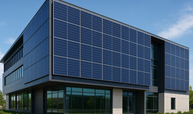
You can turn walls, roofs, and windows into power stations without sacrificing design or function. Building-integrated photovoltaics (BIPV) replace conventional building materials with solar-active elements, so your structure generates electricity while performing its normal architectural and weatherproofing roles.
This post Building Integrated Photovoltaics BIPV explains how BIPV differs from roof-mounted panels, where it makes the most sense, and what benefits to expect for energy, aesthetics, and long-term cost. Expect practical examples and clear guidance so you can judge whether integrating photovoltaics into your next project delivers real value.
Overview of Building Integrated Photovoltaics (BIPV)
BIPV systems replace or become part of building elements to generate electricity while serving envelope functions like weather protection, daylighting, and insulation. You will find variations in form factor, transparency, and electrical performance that directly affect design, cost, and energy yield.
Definition and Key Concepts
BIPV integrates photovoltaic materials into the building envelope—roofs, façades, windows, and skylights—so the PV becomes a structural or architectural component. You should treat BIPV as both an energy system and a building material: it must meet electrical, thermal, mechanical, fire-safety, and aesthetic requirements.
Key concepts to track:
- Dual function: power generation plus cladding, glazing, or roofing.
- Site-specific performance: orientation, tilt, shading, and façade geometry strongly influence energy output.
- System boundaries: BIPV can include cells, mounting, inverters, wiring, and control systems; these must coordinate with building services.
- Standards and certification: compliance with building codes, structural loads, and electrical safety is essential to avoid retrofit complications.
Types of BIPV Technologies
BIPV technologies range in appearance and function, affecting where you can deploy them and how they perform.
Common types:
- Opaque modules: standard crystalline silicon or thin-film modules used as roof tiles or façades; high efficiency, low translucency.
- Semi-transparent modules: thin-film or specially designed crystalline cells embedded in glazing; allow daylight while producing power.
- Building-integrated roof tiles/shingles: modular units that mimic conventional roofing materials and replace part of the roof cover.
- Bifacial modules: generate from front and rear surfaces; effective on reflective façades or light-colored roofing.
- Flexible and CIGS thin-film: adaptable to curved surfaces and lightweight substructures.
When selecting technology, weigh visual transparency, power density (W/m²), integration complexity, and expected lifetime. Installation details—waterproofing, thermal expansion joints, and electrical routing—vary by technology and determine long-term reliability.
Comparison With Conventional Photovoltaics
BIPV differs from building-applied photovoltaics (BAPV) in form, function, and economics. You replace or integrate into building elements with BIPV; with BAPV you add panels onto existing roof or façade systems.
Practical contrasts:
- Aesthetics: BIPV offers a cohesive architectural look versus visible racks and panels in BAPV.
- Cost: BIPV typically has higher upfront costs per watt because it replaces building materials and requires coordinated design and certifications.
- Energy yield: Conventional PV often achieves higher power density and simpler orientation, while BIPV may sacrifice optimal tilt or orientation for architectural reasons.
- Lifecycle value: BIPV can reduce material costs by substituting cladding or glazing; however, maintenance and replacement impact lifecycle economics.
- Installation and permitting: BIPV demands earlier involvement of architects and engineers and can streamline permits when designed as part of the building, but may complicate warranties and maintenance coordination.
Benefits and Applications of BIPV
BIPV replaces conventional building elements with photovoltaic materials, saving space and reducing material use while generating electricity. It affects aesthetics, energy performance, and lifecycle costs in measurable ways.
Advantages for Building Design
You can use BIPV as roof tiles, curtain walls, skylights, or façades to maintain a clean architectural intent while adding generation capacity. Integration often reduces the need for separate cladding or glazing, which can lower material and installation costs compared with adding traditional PV on top of the structure.
Selection of module type—opaque modules for walls, semi-transparent for glazing, or flexible laminates for curved surfaces—lets you match solar performance to design goals. You should also consider orientation, tilt, and shading early in design to maximize year-round output without compromising daylighting or thermal comfort.
BIPV can improve aesthetics and marketability. Custom colors, textures, and module sizes let you retain a consistent exterior look, which matters for historic districts or high-end commercial projects.
Energy Efficiency and Sustainability
BIPV contributes directly to on-site electricity generation, reducing grid consumption and peak demand if paired with proper system sizing and inverters. You can offset HVAC loads by integrating photovoltaic glazing that reduces solar heat gain while producing power.
Using BIPV in place of conventional materials reduces embodied carbon associated with separate cladding or roofing materials. When combined with energy-efficient envelopes, BIPV helps your building meet net-zero targets and qualify for green building certifications like LEED or BREEAM.
Battery storage and smart controls increase self-consumption and reduce export during low-value periods. Monitor system performance with energy management platforms to validate savings and identify maintenance needs.
Case Studies and Real-World Deployments
Many commercial and public buildings demonstrate BIPV performance across climates. For example, office towers with BIPV façades in temperate cities achieve meaningful annual generation while maintaining indoor daylight levels through selective transparency.
University buildings and transit stations often use BIPV roof systems to supply daytime loads and charge electric vehicles on site. In retrofit cases, you can replace aging cladding with BIPV panels to extend façade life and add generation without expanding the building footprint.
You should evaluate lifecycle costs and perform a detailed shade and energy analysis before committing. Real projects show payback periods vary by local incentives, electricity prices, and the degree to which BIPV replaces expensive architectural materials.