

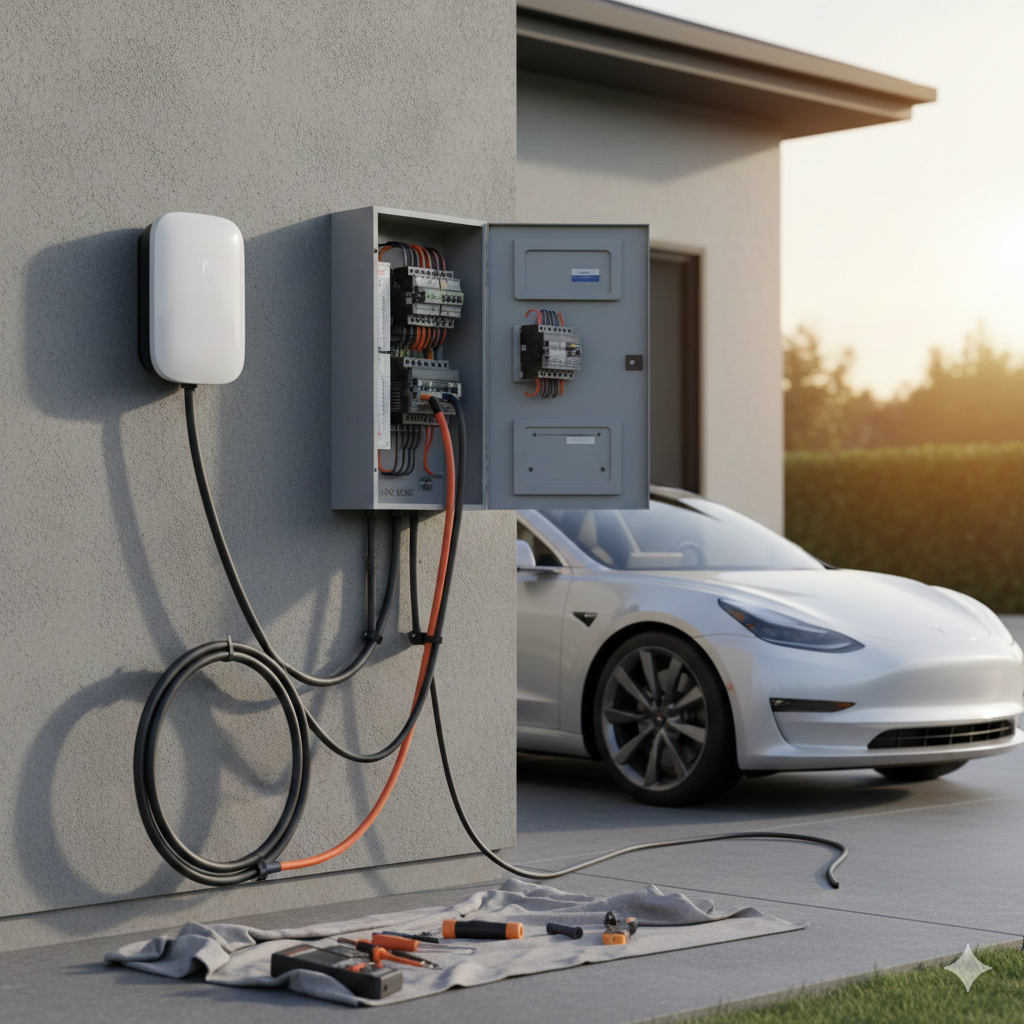
Electrical panel problems can disrupt your life and pose real safety risks, so you want a fast, reliable fix from a qualified professional. If your breakers trip frequently, outlets feel warm, or you smell burning, contact a licensed electrician to inspect and repair or upgrade your panel promptly.
This article Electrical Panel Repair Near Me shows how to find trusted local panel repair services, what safety checks to expect, and how costs and routine maintenance affect long-term reliability. Follow practical tips here to make informed decisions and keep your home’s electrical system safe and efficient.
Finding Reliable Electrical Panel Repair Near Me
You need technicians who are licensed, insured, and experienced with panels like yours. Compare local companies on credentials, reviews, pricing, and warranty terms before you hire anyone.
Identifying Qualified Electrical Panel Technicians
Look for a licensed electrician with specific panel experience — examples include Square D, Eaton, Siemens, or Federal Pacific. Ask whether they hold a state or local electrical contractor license and verify it online or by phone. Confirm they carry general liability and workers’ compensation insurance; request certificate details and policy limits.
Ask about recent jobs that match your work: breaker replacements, full panel swaps, or service-entrance upgrades. Request references or photos of completed work. Prefer technicians who pull permits and work with code inspections, since that reduces risk and protects resale value.
Evaluating Local Electrical Repair Companies
Check reviews on multiple platforms (Google, Yelp, and local Better Business Bureau) and read several recent comments for recurring issues or praise. Note response time, punctuality, and how clearly they explain problems and costs. Prioritize companies that offer a written warranty (minimum 1 year on labor).
Confirm they provide emergency service if you have safety risks like frequent tripping or burning smells. Compare service areas and shop rates: some firms charge flat fees for diagnostics while others bill by the hour. Make a short list of 2–3 providers and call each to gauge professionalism and clarity.
Understanding Service Quotes and Estimates
Request a written estimate that separates parts, labor, permit fees, and any disposal charges. A clear quote should list the panel model, breaker types, amperage changes, and timeline for work. Beware vague estimates or large “all-in” numbers without itemization.
Ask whether the price includes permit pulls and inspection fees. Clarify payment terms, deposit requirements, and warranty coverage on parts versus labor. If a quote is significantly lower than others, get a second opinion to ensure no omitted safety steps.
Safety, Costs, and Maintenance for Electrical Panels
You should know the main safety risks, likely repair costs, and simple maintenance steps that keep your panel reliable and compliant. Focus on identifying warning signs early, budgeting for typical repairs, and scheduling basic preventive actions.
Common Electrical Panel Problems and Warning Signs
Look for these visible and auditory clues that signal trouble: frequent breaker trips, scorch marks or burn odors near the panel, buzzing or humming sounds, and warm or vibrating breakers. Breaker trips mean overloads or short circuits; repeated trips after resetting indicate underlying faults or undersized circuits. Scorching, melted insulation, or a persistent burning smell point to loose connections or arcing, which create fire risk and require immediate professional attention.
Age and outdated components also matter. If your panel is older than 25–30 years, lacks a main breaker, or contains fuses or obsolete breaker brands, expect diminished safety and compatibility with modern loads. Note any flickering lights during appliance starts; that can indicate voltage drop or poor connections. Document occurrences and avoid DIY fixes when you detect arcing, heat, or smoke.
Estimated Costs for Electrical Panel Repairs
Repair costs vary by fault type, panel model, and labor rates in your area. Expect minor repairs—tightening connections, replacing a single breaker, or correcting a neutral/ground issue—to range roughly $100–$400. Moderate work such as replacing multiple breakers, upgrading bus connections, or correcting wiring faults commonly runs $400–$1,200. Major jobs like replacing a damaged main breaker, fixing severe corrosion, or retrofitting a panel to meet code can run $1,000–$3,000 or more.
Ask technicians for an itemized estimate that lists parts, labor hours, permit fees, and any required safety upgrades. Confirm whether the electrician tests for loose connections, thermal hotspots (infrared scan), and correct labeling; these inspections often appear as separate line items. Compare two written quotes and verify the electrician’s license and insurance before authorizing work.
Preventive Maintenance Tips
Schedule a professional inspection every 1–3 years or whenever you add significant new loads like an EV charger or HVAC. During inspections, have the electrician tighten connections, test breaker trip characteristics, and perform an infrared scan to find hot spots. Keep the panel area clear of storage and moisture; maintain at least 3 feet of clearance and a dry environment.
You can do simple checks monthly: confirm breakers are labeled, note any unusual noises or scents, and test GFCI/AFCI devices per manufacturer guidance. Replace rusted or damaged covers and update outdated panels to modern safety standards when recommended. Always shut power and hire a licensed electrician for any internal panel work; do not attempt live repairs yourself.