

When your furnace falters, you want clear steps and fast results so your home stays safe and warm. A timely repair usually involves diagnosing the issue, replacing worn parts like ignition or motors, and cleaning or adjusting components to restore safe, efficient operation — and knowing common signs helps you act before a breakdown.
This article furnace repairs guides you through essential furnace repairs and practical prevention strategies so you can spot problems early, decide when to call a pro, and reduce future repair costs. Expect straightforward advice on what to check, what a technician will do, and simple maintenance you can handle yourself.
Essential Furnace Repairs
You’ll learn what typically fails, how to spot urgent problems, basic checks you can safely do, and when to hire a licensed technician. Focus on filters, ignition, airflow, electrical components, and safety-related issues.
Common Causes of Furnace Breakdowns
Clogged air filters restrict airflow and force the blower motor to work harder, often causing overheating and short cycling. Replace disposable filters every 1–3 months; high-efficiency homes or pets may need monthly changes.
Ignition and pilot assembly failures prevent burners from lighting. Electronic igniters wear out over time; pilot tubes can clog with debris or soot. Symptoms include repeated clicking or no flame.
Blower motor and belt problems cause weak airflow or unusual noises. Bearings and belts wear; motors can overheat if vents are blocked. Lubrication, belt inspection, and cleaning can extend component life.
Control board or thermostat faults create intermittent operation or no response. Loose wiring, corroded terminals, and failed relays are common. Electrical surges and age increase failure risk.
Heat exchanger cracks and gas valve failures are safety-critical. Cracks can leak combustion gases; faulty gas valves can cause improper fuel flow. Inspect and repair these only with professional equipment.
Signs Your Furnace Needs Immediate Attention
If you smell gas or rotten eggs, evacuate and call your gas utility or emergency services immediately. Do not operate the furnace; a gas leak poses an immediate hazard.
Rapid cycling (short on/off cycles) indicates airflow restriction, an overheating safety limit tripping, or a failing control board. This raises energy bills and risks further component failure.
Yellow or flickering burner flames suggest incomplete combustion and possible carbon monoxide production. A healthy natural gas flame should be steady blue. Shut off the system and get a certified HVAC technician to inspect combustion.
Loud banging, popping, or grinding noises point to ignition delays, expanding metal, or failing bearings. Persistent unusual noises mean moving parts or combustion timing are compromised.
Visible corrosion, soot buildup, or water pooling near the unit can indicate venting issues, heat exchanger problems, or condensate drain blockage. These require prompt professional evaluation.
DIY Furnace Troubleshooting Tips
Start with the simple, safe checks: confirm the thermostat is set correctly and has fresh batteries. Verify circuit breakers and the furnace switch near the unit are on.
Replace the air filter if it’s dirty; a visibly dark or clogged filter merits immediate change. Clear the area around the furnace to ensure proper airflow and access for inspection.
Listen for the sequence: furnace attempts to start (click/ignite), burners light, blower runs. If you hear continuous clicking without ignition, power to the ignitor or the ignitor itself may be faulty. Consult the manual before attempting component replacement.
Check the condensate drain (for high-efficiency units) for clogs; a blocked drain or float switch can shut the system down. Clean the drain with a household wet/dry vacuum or distilled vinegar if safe to access.
Do not attempt to inspect or repair the heat exchanger, gas valve, or sealed combustion components. These involve combustion safety and gas connections; call a licensed technician.
Professional Furnace Repair Services
Choose a licensed HVAC technician who offers diagnostic testing, including combustion analysis and carbon monoxide measurements. Ask for proof of license, insurance, and references or reviews.
Expect a step-by-step estimate: diagnostic fee, parts, labor, and any safety tests. Request a written estimate and warranty terms for replaced parts and labor. Compare quotes when major repairs are needed.
Prioritize technicians who provide 24/7 emergency service and fixed-price options for common repairs. For gas furnaces, insist on technicians certified in gas appliance service and familiar with local building codes.
Professional services should include thorough cleaning, blower and heat exchanger inspection, ignition system testing, control board diagnostics, and a post-repair safety check. Keep service records to track recurring issues and warranty coverage.
Preventing Future Furnace Issues
Keep filters clean, schedule annual professional tune-ups, and watch for warning signs such as strange noises, fluctuating temperatures, or rising energy bills. Choosing a qualified repair company and understanding common repair costs also reduces surprise breakdowns.
Recommended Maintenance Strategies
Change or clean your furnace filter every 1–3 months depending on filter type and household conditions. A clogged filter reduces airflow, forces the blower to work harder, and raises energy use.
Inspect and vacuum around the furnace area quarterly. Remove dust and debris from vents, the combustion chamber (when cold), and the immediate floor space to prevent airflow restrictions and fire hazards.
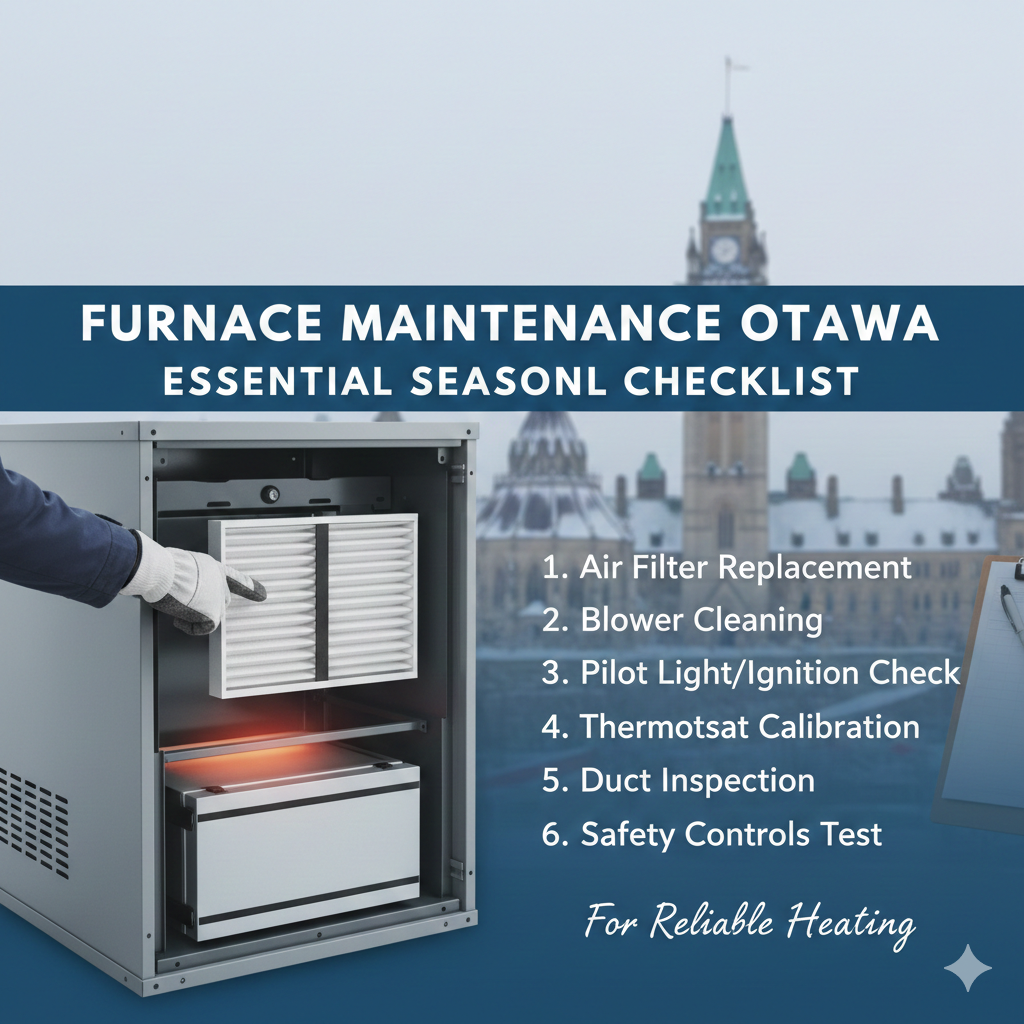
Schedule a professional inspection and tune-up at least once a year, ideally in early fall. Ask the technician to check the heat exchanger for cracks, test the thermostat, lubricate moving parts, inspect the burner and flame sensor, and verify proper venting and carbon monoxide safeguards.
Keep a simple log of service dates, parts replaced, and energy usage trends. Track thermostat setpoints and any recurring noises or cycling patterns so you can give technicians specific symptoms that speed diagnosis.
Choosing the Right Furnace Repair Company
Verify licensing and insurance before hiring any contractor. Licensing indicates they meet local requirements; insurance protects you from liability if a repair causes damage.
Look for technicians certified by recognized organizations (for example, NATE in North America). Certification shows the technician passed standardized exams and has ongoing training.
Request written estimates that list parts, labor, and a clear warranty on work and components. Compare at least two quotes and ask about emergency service fees and response time.
Read recent customer reviews for punctuality, cleanup, and whether promised fixes held up. Ask for references from projects similar to yours, particularly if you have an older system or a high-efficiency model.
Cost Factors for Furnace Repairs
Labor rates vary by region and complexity; expect higher hourly rates for specialty work like heat-exchanger repair. Simple parts like filters or belts cost under $100, while control boards or burners can exceed several hundred dollars.
Age and model of the furnace influence parts availability and price. Older units may require retrofit parts or longer diagnostic time, increasing labor costs.
Diagnostic fees are common; some companies apply the fee toward repair if you proceed. Factor in emergency or after-hours premiums if service outside normal hours is needed.
Weigh repair cost versus replacement by considering remaining useful life, efficiency gains from newer models, and potential rebates or financing. Ask the technician to provide a cost-to-replace estimate alongside repair options.