

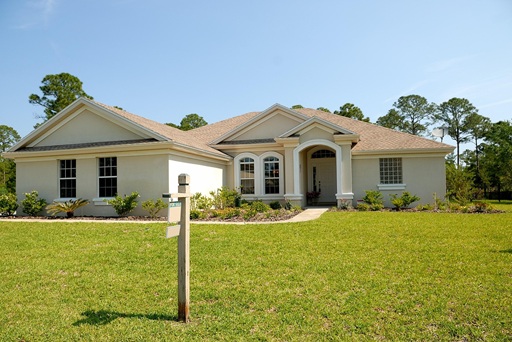
Mortgage rates Alberta affect your monthly payment, the total cost of your home, and how long you stay in the market. Expect to see a range of rates from major banks and brokers that update frequently — shopping multiple lenders and comparing 3- and 5-year fixed and variable options will give you the best chance to lower your cost.
You’ll learn what current Alberta rates look like, which terms typically cost more or less, and practical steps to secure a stronger offer from lenders. Practical tips will help you compare quotes, improve your mortgage application, and decide whether it makes sense to lock a rate now or wait.
Current Mortgage Rates in Alberta
You can expect to see a range of fixed and variable mortgage options from multiple lenders, with 5-year fixed and shorter-term fixed rates and variable-rate products available. Rates move with Bank of Canada policy, lender competition, and local housing demand.
Overview of Rate Types
Fixed rates lock your interest for the term you choose, commonly 1, 2, 3, or 5 years in Alberta. A 5-year fixed is the market benchmark; it typically offers stability but may be several tenths of a percentage point higher than shorter fixed terms.
Variable rates change when prime moves and often start lower than comparable fixed products. You can choose a variable closed mortgage or a variable open product; closed offers lower rates with limited prepayment, open gives flexibility but higher rates.
Hybrid and adjustable products combine fixed and variable portions if you want some protection and some upside. If you plan to move or refinance within a few years, shorter fixed terms or variable options may cost less in the near term.
Factors Affecting Rates
The Bank of Canada policy rate directly influences prime, which sets the baseline for most variable mortgages. When the BoC raises its policy rate, your variable payments can rise quickly; when it cuts, variable rates often fall but not always in full.
Lender-specific factors matter: big banks, credit unions, and monoline lenders set different spreads over prime based on funding costs and market share goals. Your credit score, loan-to-value (LTV), amortization, and property type (residential vs. condo, owner-occupied vs. rental) change the rate you qualify for.
Market conditions in Alberta—housing demand, sales volumes, and regional economic strength—also shift rate availability. For example, stronger local demand can tighten pricing and reduce lender incentives, while slower markets may produce promotional rates.
Comparison With National Averages
Alberta rates often track national Canadian averages closely but can be slightly lower or higher depending on lender presence and local competition. Urban centres like Calgary and Edmonton typically offer more competitive rates than smaller towns because more lenders operate there.
National headlines—such as a reported 5.8% year-over-year price rise and rising sales volumes—can push provincial lenders to adjust spreads. Use a side-by-side comparison when you shop: look at 3- and 5-year fixed and standard variable posted rates from at least three lenders to see where Alberta sits versus Canada-wide listings.
Quick checklist to compare:
- Compare advertised 5-year fixed and variable rates.
- Check the posted rate and the rate after lender-specific discounts.
- Verify portability, prepayment, and penalty terms, which affect true cost.
How to Get the Best Mortgage Rates in Alberta
Focus on strengthening your application, choosing the right rate type for your plans, and using professionals who can access multiple lenders. Small changes—like lowering your debt or increasing your down payment—often produce the biggest rate improvements.
Improving Your Eligibility
Increase your down payment to at least 20% to avoid mortgage default insurance and access lower lender spreads. Larger deposits directly lower loan-to-value (LTV), which many Alberta lenders price more favorably.
Watch your credit score: pay down credit card balances, correct errors on your credit report, and avoid new credit inquiries in the 3–6 months before applying. Aim for a score above 700 to qualify for prime rates from major banks.
Provide complete documentation: recent pay stubs, T4s, Notices of Assessment, and proof of assets reduce underwriting friction. If you’re self-employed, prepare two years of financials and a CPA-prepared statement to match lender programs.
Consider a shorter amortization (e.g., 20 years instead of 25–30) or a higher payment tolerance; both can lower the interest rate offered. Lock in a pre-approval when market volatility rises to secure a quoted rate for a fixed period.
Choosing Between Fixed and Variable Rates
Fixed rates guarantee your interest rate for a set term—commonly 1, 3, or 5 years in Alberta—and protect you from rate increases. Choose fixed if you value payment certainty or expect rates to rise during your term.
Variable rates typically start lower than fixed and move with the Bank of Canada’s overnight rate or the lender’s prime rate. Pick variable if you can tolerate payment swings and believe rates will stay steady or fall in the short to medium term.
Compare breakage penalties and prepayment privileges for both types. Fixed-rate penalties can be substantially higher if you break early; variable-rate rules often allow limited lump-sum repayments annually without fee.
Match term length to your plans: a 5-year fixed offers longer stability; a 3-year fixed gives flexibility if you expect refinancing or a move. Use scenario math: calculate payments under a 1–2% rate increase to test affordability for variable choices.
Working With Mortgage Brokers
A licensed mortgage broker connects you to many lenders—including banks, credit unions, and private lenders—so you can compare rates and lender-specific incentives. Brokers receive commissions from lenders but must disclose options and steer you to suitable products.
Choose a broker with Alberta-specific experience and verifiable client references. Ask about their lender panel, fee structure, and whether they’ll provide multiple written rate quotes for comparison.
Request an explanation of lender eligibility differences that affect your rate—such as property type (condo vs. detached), income type, or rental income assumptions. Brokers can recommend rate holds, lump-sum strategies, or blended-rate solutions when you renew or refinance.
Get broker quotes in writing and verify offers directly with the lender before signing. That extra step ensures the posted rate, fees, and conditions match the final mortgage commitment.