

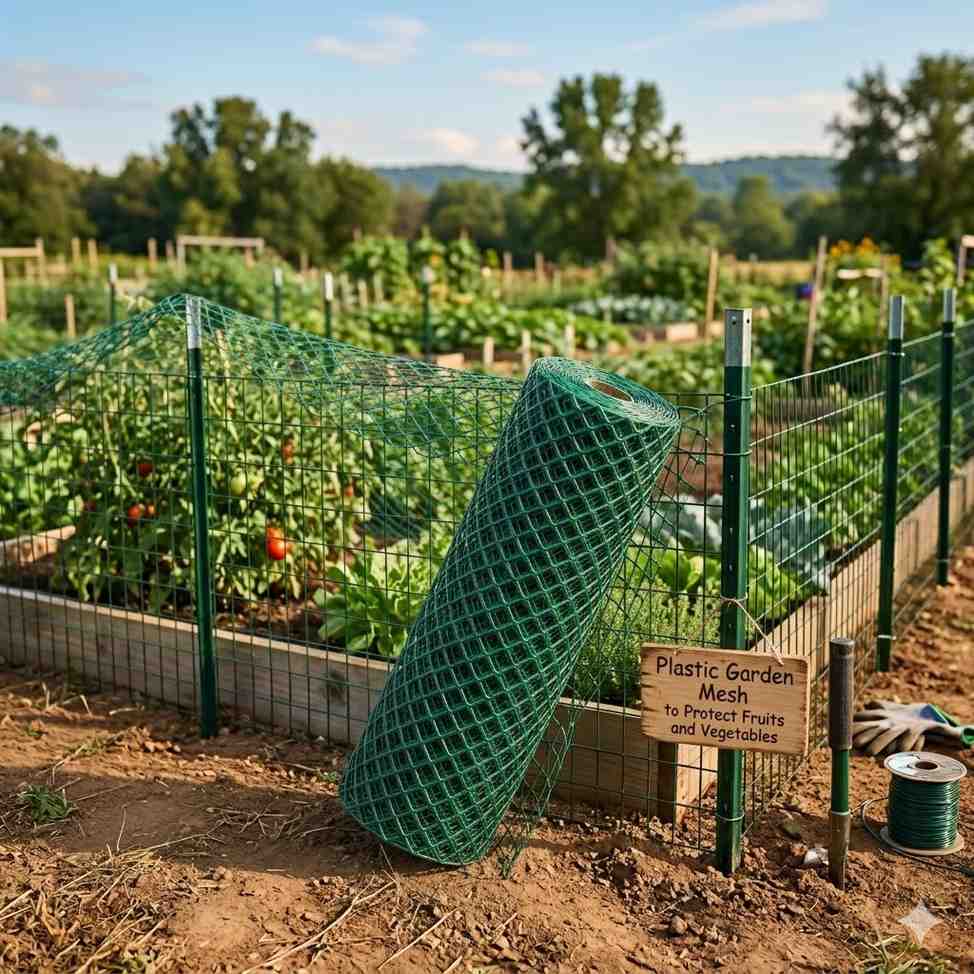
Growing your own food feels like magic. You plant a tiny seed and watch it turn into a juicy tomato or a crunchy carrot. However, local wildlife often wants to share your harvest without asking. This is why many smart gardeners choose plastic Garden Netting to protect fruits and vegetables from hungry visitors. Using this type of netting keeps your plants safe while letting them breathe and grow.
Birds love to peck at ripening strawberries and butterflies want to lay eggs on your cabbages. If you do not stop them, you might lose your entire crop in just one afternoon. Plastic garden mesh acts as a physical wall that blocks these creatures. Because the netting is lightweight, it does not crush your delicate leaves or snap thin stems. You can simply drape it over your plants to start seeing immediate results in your garden.
Choosing the right material makes a big difference for your plants. Plastic is a great choice because it does not rust or rot when the weather gets wet. You can use the same piece of netting for many years if you take care of it. It handles the bright summer sun and the cold winter rain without falling apart. This makes it a very cheap and effective way to ensure you actually get to eat what you grow.
How To Install Plastic Garden Mesh To Protect Fruits And Vegetables
Putting up your protection does not have to be a difficult job. You can create a simple frame using bamboo sticks or plastic pipes to hold the mesh up. Once your frame stands tall, you just pull the netting over the top and secure the edges. This creates a safe tent where your veggies can thrive without any stress from outside pests.
Make sure you tuck the bottom edges into the soil or pin them down with heavy stones. If you leave even a small gap, clever squirrels or mice will find a way inside. Tight netting ensures that no birds get tangled in the loose folds of the plastic. It is a kind way to keep animals away while keeping your garden looking neat and tidy.
If you live in a very breezy area, you might want to look for specific Windbreak Netting. This special type of mesh slows down harsh gusts that can knock over your tall pea plants or beans. By using this netting, you create a calm environment where plants do not have to fight the weather. It protects your hard work from both the wind and the hungry animals at the same time.
Picking The Best Netting For Your Garden
When you shop for supplies, look for garden netting that has the right hole size. If the holes are too big, small insects will fly right through and eat your broccoli. If the holes are too small, helpful bees cannot get inside to pollinate your flowers. Choosing the perfect netting means finding a balance that lets nature help you while keeping the pests out.
Benefits Of Using Lightweight Netting
Lightweight mesh is very easy to handle even if you are gardening alone. You can cut the plastic netting with a pair of kitchen scissors to fit any space you have. Whether you have a large farm or just a few pots on a balcony, this netting adapts to your needs perfectly. It is the most flexible tool a gardener can own for protecting their food.
Cleaning And Storing Your Netting
After you harvest your vegetables, you should clean your mesh to keep it fresh for next year. Simply spray the netting with a garden hose to remove dirt, bugs, and old leaves. Once it is dry, fold the netting neatly and keep it in a shed or garage. This simple care routine ensures your plastic garden mesh to protect fruits and vegetables stays strong for many seasons.
Different Styles Of Plastic Garden Mesh To Protect Fruits And Vegetables
There are many different colours and shapes of mesh available in shops today. Green mesh blends in with your plants so it does not stand out too much. On the other hand, black netting is often stronger and lasts a bit longer in the direct heat of the sun. You should choose the style that fits the look of your outdoor space and the needs of your specific plants.
Some mesh is very fine and looks almost like a thin veil. This type of netting is perfect for keeping tiny flies away from your carrots and onions. Other types have larger holes and work better for keeping pigeons off your fruit trees. Knowing what lives in your garden helps you choose the best netting to solve your specific problems.
You can also find mesh that is extra stretchy. This flexible netting is wonderful for wrapping around bushes or oddly shaped garden beds. It stretches out as your plants grow bigger so you do not have to keep adjusting it every week. Investing in quality netting saves you a lot of time and effort during the busy growing months.
Using Netting To Support Climbing Plants
Many vegetables like cucumbers and beans love to climb high toward the sun. You can use your mesh as a vertical ladder for these plants to hold onto. As the vines grow, they weave through the netting and stay off the muddy ground. This keeps the fruit clean and prevents rot because air can flow all around the plant.
Protecting Seedlings With Soft Netting
Young plants are very vulnerable when they first pop out of the ground. Using a soft piece of netting over your seed trays prevents birds from digging up the seeds. Once the plants get stronger, you can move the netting higher up. This gives your garden the best possible start during the chilly spring days.
Why Quality Netting Lasts Longer
Cheap mesh often breaks after just one month of sunshine. It is much better to buy high-quality netting that features UV protection. This means the sun will not make the plastic brittle or weak over time. Reliable netting stays flexible and tough so it can do its job of guarding your food properly.
Managing Pests With Plastic Garden Mesh To Protect Fruits And Vegetables
Most people hate using chemicals or sprays on the food they plan to eat. Using mesh is a natural way to solve pest problems without any nasty toxins. The netting acts as a physical shield that simply stops the bugs from reaching the leaves. This results in healthier food for your family and a safer environment for your local bees.
If you notice holes in your cabbage leaves, it is likely caused by caterpillars. You can stop the butterflies from landing and laying eggs by covering the patch with fine netting. This simple step breaks the cycle of pests without hurting the environment. Using netting is the smartest choice for anyone who wants to grow organic food at home.
Remember to check your mesh regularly for any small tears or holes. If you find a rip, you can tie it back together with a bit of string or a zip tie. Keeping your netting in good shape ensures that no sneaky pests get through the gaps. A little bit of maintenance goes a long way in keeping your vegetable patch productive and healthy.
Reducing Heat Stress With Netting
On very hot days, the sun can actually scorch the tender leaves of your lettuce. A dark-coloured netting provides a little bit of shade which keeps the plants cool. This helps the soil stay moist for longer because the sun does not dry it out as fast. Using your netting as a sunshade is a great trick for gardening in the middle of summer.
Creating Tunnels With Garden Netting
You can bend flexible rods into hoops to create long tunnels over your garden rows. Pull your garden netting over these hoops to make a professional-looking plant guard. This tunnel shape makes it very easy to lift one side when you want to pick your veggies. It keeps the netting away from the leaves while providing total protection.
Saving Money By Using Netting
Buying fresh organic produce at the supermarket is very expensive these days. By using net to protect your own crops, you save a lot of money on your grocery bill. The small cost of the plastic mesh pays for itself very quickly when you harvest bowls of perfect tomatoes. High-quality net is a tool that helps you become more self-sufficient.
Finding The Right Plastic Garden Mesh To Protect Fruits And Vegetables
You can find mesh at almost any local garden centre or hardware shop. Before you go, measure your garden beds so you know exactly how much you need. It is always better to buy a little bit of extra net than to run out halfway through the job. Having plenty of material allows you to overlap the edges for better security.
Look for products that feel strong but still have some bend in them. You want a mesh that can handle a bit of weight if a cat decides to jump on it. Good net should also have smooth edges so it does not scratch your hands while you work. When you find the right plastic garden mesh to protect fruits and vegetables, your gardening life becomes much easier.
Talk to other gardeners in your neighbourhood to see what they use. They might suggest a specific brand of net that works well for the local birds. Sharing tips with friends is a great way to learn more about protecting your plants. Once you start using net, you will wonder how you ever managed to garden without it.
Improving Airflow Through The Netting
Plants need fresh air to stay healthy and prevent diseases like mould. Most mesh designs have plenty of open space to allow the breeze to move through freely. This airflow keeps the leaves dry and prevents fungi from growing in the damp corners. Proper net provides protection without suffocating your precious garden.
Watching Your Garden Through Netting
One of the best things about clear or thin mesh is that you can still see your plants. You do not have to uncover them just to check if the peppers are turning red. The net stays in place while you enjoy the view of your beautiful growing garden. It provides a window into your success while keeping the thieves away.
Combining Different Types Of Netting
Sometimes you might need to use two different types of mesh for the best results. You could use a strong Windbreak Net on the side where the gusts come from and a lighter mesh on top. This custom setup gives your plants exactly what they need to stay safe. Mixing your net options allows you to solve multiple problems at once. Read Best Blogs
Conclusion
Using plastic garden mesh to protect fruits and vegetables is a simple and brilliant idea for every gardener. It keeps the birds away, stops the bugs from eating your leaves, and helps your plants grow tall. Because it is easy to use and lasts a long time, it is the best way to ensure a big harvest. Simply choose the right net for your needs and watch your garden flourish like never before. With a little bit of effort, you can enjoy fresh, home-grown food all summer long.
Frequently Asked Questions
Does garden netting block the sunlight?
Most net allows about 90 percent of sunlight to reach your plants. This is plenty of light for your vegetables to grow big and healthy while staying protected from the heat.
Can birds get stuck in the plastic mesh?
If you pull the net tight and secure the edges, birds will not get stuck. Always check your garden daily to make sure no wildlife has accidentally wandered into the mesh.
How do I water my plants through the mesh?
You can water your garden right through the holes in the net. The water passes through easily, so you do not have to move the protection every time you use the hose.
Will the mesh stop all types of insects?
Standard mesh stops larger bugs and butterflies, but you need very fine net for tiny insects. Matching the hole size to the pest you want to stop is the best strategy.