

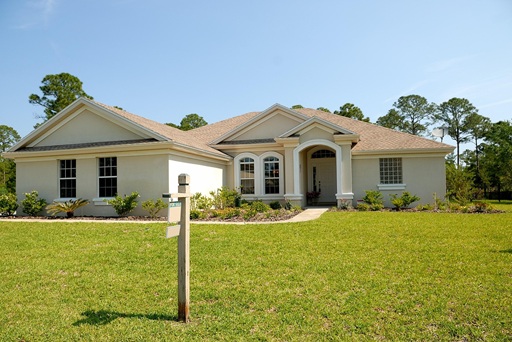
Prefab homes cut months from the construction schedule and often cost less than traditional site‑built houses, so you can move into a high‑quality, energy‑efficient home faster and with clearer budget expectations.
You’ll learn what prefab really means, how modern factories control quality, and which design choices affect price and customization — practical facts to help you decide if this building method fits your goals.
Think about how much control you want over layout, finishes, and timeline; prefab offers a range from nearly turn‑key models to highly customizable modular plans, and those choices determine cost, lead time, and site work needs.
If you want predictable pricing, faster delivery, and consistent quality, prefab homes deliver a compelling alternative to conventional construction.
What Are Prefab Homes?
Prefab home built from factory-made components that arrive on-site for assembly. You get faster construction, clearer costs, and fewer weather delays compared with fully site-built houses.
Types of Prefab Homes
Prefab homes fall into three common categories: modular, panelized, and manufactured (mobile) homes.
- Modular: Built as volumetric modules in a factory, then stacked and joined on your foundation. They meet the same local building codes as site-built homes and suit multi-story designs and custom finishes.
- Panelized: Delivered as flat wall, floor, and roof panels that your contractor assembles. They allow more on-site customization and quicker framing than full stick‑built methods.
- Manufactured: Constructed on a permanent chassis and moved to the site. They follow federal HUD construction standards and typically cost less per square foot but may face different financing or zoning rules.
Consider site access, local code requirements, and the level of customization you want when choosing the type.
Construction Process
The prefab process begins with design and engineering in the factory, where materials, wall sections, and systems are built under controlled conditions. Quality control and indoor assembly reduce moisture damage and waste compared to on-site framing.
Once modules or panels are complete, a transport phase moves them to your property, requiring permits, a prepared foundation, and sometimes temporary road adjustments.
On-site work includes craning modules into place, sealing joints, connecting utilities, and finishing exterior cladding and interior trim. Typical timelines run from a few weeks for assembly to several months including site work and finishing.
Advantages of Prefab Homes
You gain predictable costs and shorter schedules because most labor occurs in the factory and weather interruptions drop dramatically.
Factory construction often yields tighter building tolerances and better energy performance through consistent insulation and air-sealing practices.
Prefab reduces material waste and can offer greener options like high-efficiency HVAC, triple‑glazed windows, and pre-installed solar-ready roofs.
Finally, you can achieve high levels of customization—especially with modular units—without the long lead times of traditional custom builds.
Design, Customization, and Cost Considerations
You’ll find a wide range of contemporary layouts, configurable features, and clear cost drivers that determine whether a prefab house fits your budget and needs. Focus on layout, finishes, energy performance, and delivery/installation costs when comparing options.
Modern Design Options
Prefab manufacturers offer clean-lined, contemporary aesthetics and traditional looks; you can choose based on site orientation and neighborhood context. Popular choices include open-plan living with large glazing for daylight, flat or low-slope roofs for a minimalist profile, and mixed materials like wood cladding, metal panels, or fiber cement for durability and curb appeal.
Pay attention to window placement, ceiling height, and modular bay sizes (commonly 8–16 feet wide) since these constrain interior planning and shipping. Many builders provide standard footprints and stacked modules, so you can get rapid site install while retaining architectural coherence.
If you want passive-solar gains or cross-ventilation, specify south-facing glazing, appropriate overhangs, and operable windows during design review. Also review local zoning and foundation requirements early, because those affect facade choices and permitted volume.
Customization Features
You can customize floor plan layouts, finishes, and systems without sacrificing factory efficiency, but the level of customization affects lead time and cost. Typical customizable items: room counts, kitchen layouts, cabinetry styles, flooring selections, exterior cladding, and window sizes.
Upgrade options often include higher-performance insulation, triple-pane windows, photovoltaic systems, and smart-home packages. Ask for fixed-price upgrade lists and change-order policies so you know which modifications are included and which trigger extra charges.
Keep structural module dimensions in mind: adding nonstandard cantilevers, complex rooflines, or large-span open spaces may require engineered solutions. Request 3D renderings and shop drawings before final approval to avoid costly revisions during manufacturing.
Cost Factors and Affordability
Prefab pricing breaks into factory construction, transportation, site work, and on-site assembly. Expect variability: a basic factory-built module costs less per square foot than a highly customized unit, but long hauls or difficult site access increase transport and crane fees significantly.
Key cost drivers to compare: module size and complexity, interior finish level, mechanical systems (efficiency upgrades cost more upfront), and foundation type. Soft costs—permits, utility hookups, and design fees—can add 10–25% to the package price, so get full itemized estimates.
You can control costs by choosing standard floor plans, limiting on-site modifications, and selecting durable mid-range finishes. Request an itemized quote that separates manufacturing, shipping, site prep, and contingency so you can identify savings opportunities and financing needs.