

You want an SEO agency that moves your site up the rankings and turns search traffic into measurable growth. An effective SEO agency diagnoses your website, prioritises the highest-impact fixes, and builds a clear roadmap that increases visibility, traffic, and conversions.
This article explains what an SEO agencies does, the services to expect, and how to pick a partner that fits your goals and budget. You’ll learn practical criteria to compare agencies, spot overclaimed promises, and choose a team that aligns with your timeline and KPIs.
What Is an SEO Agency?
An SEO agency helps you improve your website’s visibility in organic search results by combining technical fixes, content strategy, and ongoing measurement. You get specialists who diagnose search issues, execute prioritized work, and report progress tied to traffic and conversions.
Core Services Offered
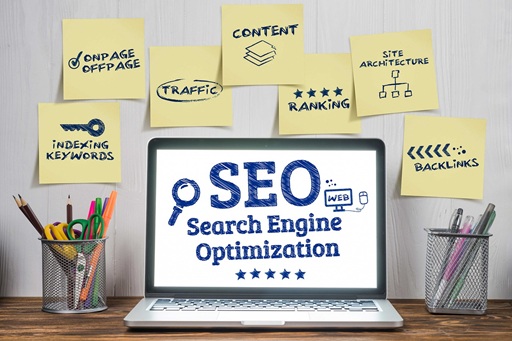
An agency typically provides a mix of technical SEO, content work, and link building tailored to your site.
- Technical SEO: crawlability fixes, site architecture changes, XML sitemaps, canonicalization, mobile optimization, and Core Web Vitals improvements.
- On‑page SEO: keyword research mapped to pages, title and meta optimization, schema markup, and content optimization for search intent.
- Content strategy & creation: editorial calendars, pillar pages, topic clusters, blog posts, product descriptions, and conversion‑focused copy.
- Off‑page & link acquisition: outreach, digital PR, guest posts, and relationship building to earn relevant backlinks.
- Analytics & reporting: goal tracking, organic traffic segmentation, keyword ranking trends, and ROI metrics tied to leads or sales.
You should expect deliverables, timelines, and a prioritized task list so you can see what the agency will change and why.
How SEO Agencies Work
Agencies follow a repeatable process to move your organic performance forward.
They start with a discovery audit covering technical, content, and backlink profiles. That audit produces a prioritized roadmap with quick wins and longer‑term projects.
Implementation may be handled by the agency or collaboratively with your developers and content team. Agencies often run A/B tests, monitor Core Web Vitals, and update content based on analytics signals.
Reporting cadence ranges from weekly to monthly and focuses on actionable KPIs like organic sessions, conversion rate, ranking visibility, and pages per session.
You should receive task tickets, milestone dates, and access to dashboards so you can track progress and approve major changes.
The Benefits of Hiring an SEO Agency
An agency brings specialized skills, tools, and execution capacity you might not have in‑house.
You gain access to experienced strategists, technical SEOs, content creators, and link‑builders without hiring full‑time staff. Agencies also invest in paid tools for rank tracking, site crawling, and competitive analysis, reducing your tool cost.
They accelerate results by prioritizing high-impact fixes (e.g., site speed and thin content) and scaling content production to capture more keyword opportunities.
You also get an external perspective to spot missed opportunities or UX issues that affect search performance. Expect documented roadmaps, measurable KPIs, and coordinated execution across technical and content work to drive organic growth.
How to Choose the Right SEO Agency
You need an agency that understands your business goals, provides transparent pricing, and proves results with real examples. Focus on measurable expertise, clear billing structures, and verifiable client outcomes.
Evaluating Expertise and Experience
Check the team makeup and years of experience tied to the services you need. Look for specialists in technical SEO, content strategy, and link building rather than a one-person generalist. Ask about certifications, platforms they use (e.g., Google Search Console, SEMrush, Ahrefs), and whether they handle on-site code fixes or rely on developers.
Request examples of projects in your industry or with similar traffic and conversion goals. Verify they can explain past strategies in plain terms: what problems they solved, the tactics used, and why those tactics fit the site’s architecture. Confirm ongoing training or process documentation to ensure modern best practices, not outdated tactics.
Understanding Pricing Models
Clarify whether the agency charges by project, retainer, performance, or hourly rates. Each model affects predictability and incentives: retainers work well for continuous improvement; project fees suit one-off migrations; performance fees require strict KPIs to avoid gaming. Ask for a breakdown showing hours or deliverables per month.
Compare cost to expected deliverables, not just price. Look for itemized scopes that list tasks (technical audits, content creation, link outreach) and timelines. Watch for vague promises like “increased rankings” without KPIs; require target metrics (organic traffic, keyword positions, conversions) and reporting frequency. Request contract terms on cancellation, deliverable ownership, and how additional work is scoped.
Assessing Case Studies and Client Results
Demand case studies with concrete before-and-after metrics: organic sessions, keyword rankings, conversion rate, and time to impact. Prefer studies that include baseline data, the specific interventions (e.g., site speed optimization, content consolidation, backlink cleanup), and attribution methods used to measure outcomes.
Verify claims by contacting references and checking public data (Wayback, GSC access if offered, third-party tools). Look for sustained improvements, not single-month spikes. Pay attention to client retention and whether results translated into business outcomes like revenue or qualified leads. If an agency refuses to share verifiable results, treat that as a red flag.