

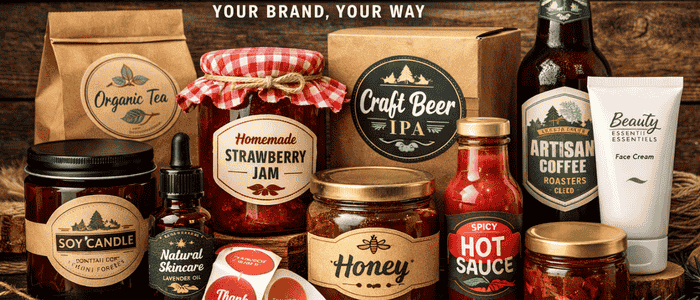
In today’s competitive market, standing out is no longer optional—it is essential. Every product competes for attention, and first impressions often determine whether a customer chooses your product or a competitor’s. This is where custom labels come into play. They are not just decorative elements; they are direct reflections of your brand identity, professionalism, and product quality. A well-designed label can elevate even a modest product, making it appear premium, while a poorly designed one can reduce the perceived value of even the best offerings.
Custom labels serve multiple purposes. They communicate vital product information, reinforce brand identity, and create a memorable experience for the customer. For instance, a small organic skincare brand might use textured, eco-friendly labels that emphasize sustainability and natural ingredients, appealing to environmentally conscious consumers. A craft beverage company could employ bold, vibrant labels to attract younger audiences and convey energy and creativity. When executed thoughtfully, custom labels are more than identifiers—they are strategic tools that influence purchasing decisions, build loyalty, and differentiate products in a crowded marketplace.
Understanding Custom Labels and Their Importance
Custom labels are uniquely designed labels tailored to a product, its brand identity, and the customer experience. Unlike generic labels that provide minimal information, custom labels combine design, messaging, and materials to create a cohesive representation of your brand. They may feature logos, product details, QR codes, marketing messages, or instructions for use, blending aesthetics with functionality.
The significance of custom labels goes beyond appearance. They help customers make informed decisions, foster trust in the brand, and enhance long-term loyalty. In retail and online marketplaces, visually compelling labels often serve as silent persuaders, nudging a customer to choose one product over another. Investing in professional label design allows businesses to enhance presentation, communicate brand values, and establish credibility in the eyes of consumers.
Types of Custom Labels and How They Serve Businesses
Product Labels
Product labels primarily provide essential information about the product itself. They often include ingredients, usage instructions, expiration dates, and allergen warnings. For example, a gourmet chocolate company may use custom labels to list ingredients and allergens while adding foil accents to convey a sense of luxury. Combining functionality with aesthetic appeal ensures that customers feel informed, confident, and attracted to the product.
Branding Labels
Branding labels focus on establishing and reinforcing your brand identity. They incorporate logos, signature colors, taglines, and design motifs, making the product instantly recognizable. A luxury skincare company might employ minimalistic, matte-finish labels with embossed logos, signaling sophistication and quality. Consistency across products strengthens brand recognition and builds trust among consumers.
Promotional Labels
Promotional labels are designed to highlight special offers, seasonal items, or limited-edition releases. A beverage brand, for instance, might create summer-themed custom labels to promote seasonal flavors or include QR codes linking to contests or exclusive content. These labels encourage engagement, create urgency, and can drive immediate sales while adding value to the product experience.
Shipping and Packaging Labels
For eCommerce businesses, packaging labels are more than functional—they are part of the unboxing experience. Custom labels on shipping boxes can feature logos, brand colors, or personalized thank-you notes. These small touches elevate customer experience, making unboxing memorable and reinforcing brand identity long after the purchase.
Specialty Labels
Specialty labels offer creative ways to make products stand out. Holographic, glow-in-the-dark, or scratch-off labels can be used for promotions, authentication, or exclusive editions. By integrating innovative features, businesses can attract attention, spark curiosity, and convey a premium or unique product experience.
Key Elements That Make Custom Labels Effective
Design and Color Psychology
Colors evoke emotions and influence purchasing behavior. Green conveys sustainability, red communicates urgency, and gold or silver signifies luxury. Thoughtful color choices ensure that custom labels not only attract attention but also align with brand messaging and evoke the desired response from customers. When paired with typography, graphics, and layout, colors create a cohesive visual identity that makes the product memorable.
Material Selection
The material of a label significantly impacts durability, texture, and appearance. Paper labels are versatile and cost-effective, vinyl provides water resistance and durability, and synthetic materials perform well in extreme conditions. Selecting the right material ensures that custom labels maintain their quality over the product’s lifecycle, particularly for items that face handling, moisture, or long shelf life.
Size and Shape
Label size and shape influence visibility and usability. While standard rectangular or circular labels are common, custom shapes can make products more visually striking. Proper sizing allows essential information to fit clearly without overcrowding, ensuring legibility and aesthetic balance. Unique die-cut shapes also help custom labels stand out on shelves, reinforcing brand identity.
Typography and Messaging
Fonts should be legible, attractive, and consistent with brand personality. Clear typography ensures that critical details such as product instructions, warnings, and descriptions are easily read. Messaging should be concise, relevant, and emotionally engaging. Including short taglines, product stories, or eco-friendly claims on custom labels helps customers connect with the brand and fosters long-term loyalty.
The Process of Designing High-Impact Custom Labels
Define Purpose and Target Audience
The first step in creating custom labels is defining their purpose. Are they primarily informational, branding-focused, or promotional? Understanding the target audience is equally important. Design choices should resonate with their preferences, expectations, and buying behavior. Younger consumers may respond better to bold, colorful labels, while premium audiences might prefer minimalist, elegant designs.
Material and Finish Selection
Choosing the right material and finish enhances both aesthetics and functionality. Matte, glossy, or textured finishes create distinct visual and tactile experiences, influencing perceived product quality. A textured, embossed label can create a premium feel, while glossy finishes can emphasize vibrancy and color accuracy.
Incorporating Design Elements
Effective custom labels balance logos, typography, graphics, and color to convey brand values. Critical information must be visible and clear without cluttering the design. Strategic use of imagery, symbols, and icons communicates product features or benefits while maintaining aesthetic appeal.
Testing and Feedback
Before mass production, labels should be printed as prototypes and tested on actual packaging. This allows assessment of color accuracy, readability, and overall appeal. Gathering feedback from customers or focus groups helps refine designs to ensure that custom labels achieve both functional and marketing goals.
Printing Techniques and Material Considerations
The printing method affects quality, durability, and cost. Digital printing works well for small batches or variable data, while flexographic printing is cost-effective for larger volumes. Offset printing offers intricate designs with high precision, and screen printing provides vibrancy and durability for specialty labels. Combining the right technique with suitable materials ensures that custom labels are visually striking, long-lasting, and professional.
Cost Considerations for Custom Labels
Budgeting for custom labels requires considering factors like material, size, printing technique, and design complexity. Premium finishes or materials increase cost but can enhance perceived value and customer experience. Smaller businesses can balance quality and affordability by starting with essential labeling and gradually upgrading to premium options as the business grows.
Real-Life Examples of Effective Custom Labels
Many brands demonstrate how custom labels transform products. A boutique coffee brand might use minimalist, eco-friendly labels to emphasize sustainability, appealing to environmentally conscious consumers. A craft beer company can create seasonal, visually striking labels to encourage collectors and repeat purchases. Small eCommerce businesses often benefit from textured labels and embossed logos, providing memorable unboxing experiences that reinforce brand identity and customer satisfaction.
Common Mistakes to Avoid
Mistakes in custom label design can undermine the product. Overcrowding information reduces readability, poor color choices create confusion, and inconsistent branding weakens recognition. Using low-quality materials may result in peeling or fading labels, negatively affecting perception. Failure to meet regulatory requirements can lead to legal complications. Avoiding these errors ensures that custom labels enhance brand perception, improve customer experience, and strengthen product value.
Future Trends in Custom Labels
Sustainability is increasingly important, and eco-friendly labels are becoming standard. Technology integration, including QR codes, NFC chips, or augmented reality, enables interactive experiences. Minimalist designs remain popular in premium markets, and personalized labels, such as customer names or messages, enhance engagement and loyalty. Staying current with these trends ensures that custom labels remain relevant and appealing across industries.
Maximizing the Impact of Custom Labels
Maximizing custom label effectiveness requires testing on multiple products and gathering customer feedback. Monitoring which designs drive engagement or sales can provide valuable insights. Aligning labels with seasonal campaigns or brand storytelling ensures that every touchpoint reinforces brand identity. Thoughtfully designed labels create lasting impressions, influence purchase decisions, and turn ordinary products into memorable experiences.
Conclusion: Custom Labels as a Strategic Brand Tool
Investing in custom labels is a strategic move that goes beyond appearance. They communicate brand identity, influence purchasing decisions, enhance customer experience, and differentiate products in competitive markets. By focusing on design principles, materials, printing methods, and trends, businesses can create labels that are functional, visually appealing, and memorable. Every aspect of a custom label, from typography and color to messaging and finish, contributes to long-term brand success.