

Winter brings a lot of beauty but it also brings freezing frost that can hurt your garden. Because you care about your greens, you need a plan to keep them safe. Using a Tarpaulin Sheet is one of the smartest ways to guard your plants. This thick material acts like a warm coat for your flower beds. Since the weather in the UK changes so fast, having a tarpaulin ready can save your hard work from a sudden chill.
Most people think of heavy covers only for DIY jobs or building sites. However, a tarpaulin works perfectly in the garden because it blocks the biting wind. When the temperature drops at night, the tarpaulin keeps the warmth of the soil near the roots. You should always keep a few of these covers in your garden shed. This way, you can pull out the tarpaulin as soon as the weather report predicts a frost.
Why Choose A Tarpaulin For Garden Protection
Selecting the right material is very important if you want your plants to survive the winter. A standard tarpaulin provides a strong barrier against ice and heavy rain. Since it is waterproof, the tarpaulin prevents cold water from soaking into the soil and freezing the roots. If you use a thin cloth, the wetness might seep through, but a tarpaulin stays dry and tough.
Furthermore, a tarpaulin is very easy to clean and store for the next year. You can find many different sizes of these covers to fit small pots or large vegetable patches. Using a transparent tarpaulin is even better for plants that still need daylight to stay healthy. This special type of tarpaulin lets the sun reach your leaves while keeping the freezing air out. Because it is so versatile, a tarpaulin becomes a gardener’s best friend during the dark months.
Setting Up Your Tarpaulin Over Delicate Flowers
When you start your setup, you must make sure the cover does not squash your plants. You can use wooden stakes or garden hoops to hold the tarpaulin up like a small tent. This creates a pocket of air that stays much warmer than the outside air. Because you want to avoid damage, never let the heavy tarpaulin rest directly on soft leaves.
Once you have the frame ready, drape the tarpaulin over the top carefully. You should ensure that the tarpaulin reaches all the way down to the ground. This helps to trap the natural heat coming up from the earth. Since the wind can be quite strong, use heavy stones or bricks to hold the edges of the tarpaulin in place.
Using A Transparent Tarpaulin To Let Light In
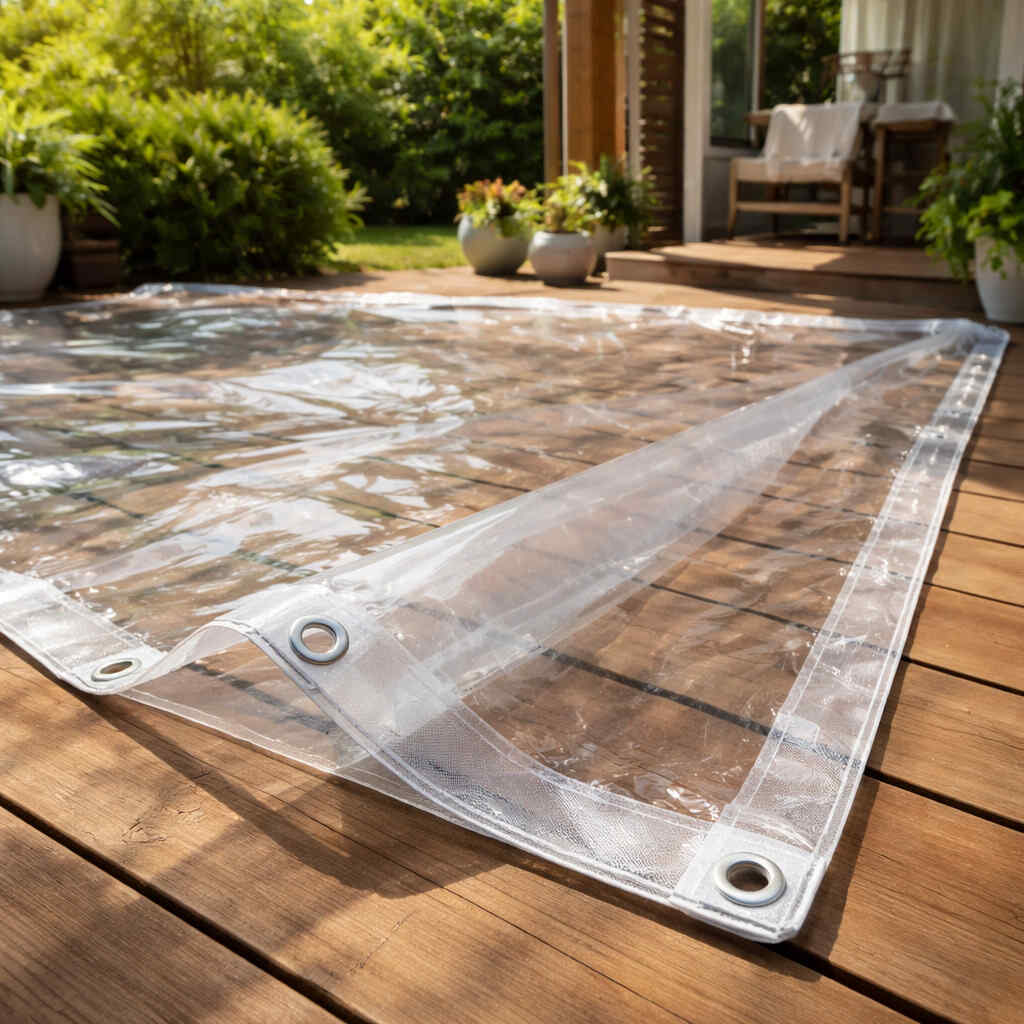
If you have plants that grow all winter, they will need plenty of sunshine. A Transparent Tarpaulin is the perfect choice for these light-loving greens. While a dark cover blocks the sun, this clear tarpaulin acts like a mini greenhouse. You can leave the tarpaulin on during the day without worrying about your plants being in the dark.
Because the sun shines through the clear material, the area under the tarpaulin warms up quickly. This extra heat helps your plants stay active even when there is snow on the ground. However, you must remember to check the temperature inside. If the sun is very bright, the space under the tarpaulin might get too hot, so you may need to lift a corner for some fresh air.
When To Remove The Tarpaulin From Your Plants
Timing is everything when you are dealing with winter garden care. You should put the tarpaulin on in the late afternoon before the sun goes down completely. This timing helps the tarpaulin catch the last bit of daytime warmth. When the morning comes and the frost melts, you can take the tarpaulin off.
If the weather stays freezing all day, you might decide to leave the tarpaulin in place. Just make sure your plants can still breathe under the cover. Because moisture can build up, lifting the tarpaulin for an hour or two is a good habit. This prevents mould from growing on the soil while the tarpaulin does its job of protecting the roots.
Tips For Securing Your Tarp Sheet In Strong Winds
Winter in the UK often comes with very windy storms that can blow things away. You do not want to wake up and find your tarpaulin in the neighbour’s garden. To prevent this, you should use bungee cords or strong rope to tie down the tarpaulin. Most covers have metal holes called eyelets that make this very easy.
By threading the rope through the eyelets, you can anchor the tarpaulin to solid fence posts or heavy pots. Because you want a tight fit, pull the tarpaulin so it does not flap around. A flapping tarpaulin can make a lot of noise and might even tear. If you secure the tarpaulin properly, it will stay in place through the toughest winter gales.
Creating A Lean-To With A Tarp
If your plants grow against a wall, you can make a simple lean-to shelter. Simply attach one side of the tarp to the wall and slant it down towards the ground. This shape allows rain to slide right off the tarp instead of piling up. Because the wall often holds heat, the tarp helps to keep that warmth around your plants.
This method is great for protecting potted plants that you have moved against the house. You can group all the pots together and cover them with one large tarp. Since the house provides some heat, the tarp creates a very safe zone. You will find that a tarp used this way is very efficient for small gardens.
Maintaining Your Tarp For Long Term Use
A good quality cover can last for many years if you take care of it. After the winter ends, you should wash the tarp with some mild soapy water. This removes any mud or garden pests that might be hiding on the surface of the tarp. Once the tarpaulin is clean, let it dry completely in the sun.
Folding the tarp neatly will prevent it from getting permanent creases or cracks. Store the tarp in a dry place where mice cannot chew on it. Because you have looked after it, the tarp will be ready to help again next year. A well-kept tarp is a great investment for any UK gardener.
Why A Heavy Duty Tarp Is Best For Frost
If you live in a very cold area, you might need a thicker material. A heavy-duty tarp offers the best insulation against extreme freezing. While a light tarp is okay for mild frost, the heavy version handles snow much better. Because the material is thicker, the tarp does not get brittle when it gets very cold.
You should check the weight of the material before you buy your next tarp . A higher weight usually means the tarp is stronger and warmer. Since your plants are valuable, spending a little more on a tough tarp is worth it. You will feel much better knowing your garden is under a high-quality tarp .
Essential Safety When Using A Tarp In The Garden
While using these covers is simple, you should always think about safety. Make sure the tarp does not block any paths where people might trip. Because the material can be slippery when wet, keep the tarp away from walkways. You should also ensure that the tarp is not near any heaters or open flames.
If you have pets, make sure they cannot get trapped under the tarp . Small animals might look for warmth under the cover, so check the tarp regularly. Because you want a safe garden, always double-check that your stakes are pushed deep into the ground. A safe tarp setup means peace of mind for you and your family. Read More Blogs
Conclusion
Protecting your garden from the cold does not have to be a difficult task. By using a tarp sheet, you give your plants a fighting chance against the frost. Whether you choose a thick cover or a transparent tarp, the goal remains the same. You want to keep your greens warm, dry, and safe until the spring returns. Using a tarp is a simple, cheap, and very effective way to show your garden some love. With a little bit of effort and the right tarp, your plants will thrive and look beautiful when the warmer days arrive.
Frequently Asked Questions
Q: Can I leave a tarpaulin on my plants all winter?
You should only leave a tarp on for long periods if it is transparent or if you provide ventilation. Plants need air and some light to survive, so lifting the tarp during mild days is a very good idea.
Q: Will a tarpaulin protect my plants from heavy snow?
Yes, a strong tarp can handle snow and keeps the weight off your delicate branches. Make sure you use a frame under the tarp so the snow does not crush your plants.
Q: Does a tarpaulin work better than a garden fleece?
A tarp is much better at blocking wind and heavy rain because it is waterproof. While fleece is good for light frost, a tarp provides a much stronger shield against harsh winter storms.
Q: Can a tarpaulin burn my plants in the sun?
If the sun is very strong, a tarp can trap too much heat. You should check your plants on sunny days and lift the tarp to let the hot air escape so they do not overheat. tarp