

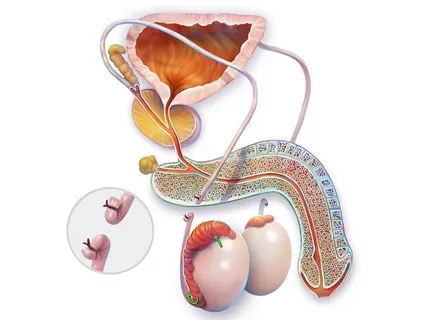
A vasectomy is a safe and effective form of permanent male contraception, commonly performed as a minor outpatient procedure. Although recovery is generally quick, many patients are concerned about when they can safely return to physical activity. Understanding the appropriate timeline for exercise, work, and daily movement is essential for preventing complications and ensuring proper healing. Healthcare providers emphasize gradual activity resumption as a key part of post-procedure care.
This article explains realistic expectations for physical activity after a vasectomy, including recommended rest periods, warning signs to watch for, and practical tips for returning to normal routines safely.
Why Rest Is Important After a Vasectomy
Even though a vasectomy is considered minimally invasive, the procedure still involves small surgical changes to the vas deferens and surrounding tissues. The body needs time to repair these tissues and reduce inflammation. Returning to strenuous activity too soon can increase the risk of swelling, bleeding, or delayed healing.
During the first few days after a vasectomy, rest supports:
- Tissue healing
- Reduced swelling
- Proper blood clot formation
- Lower risk of infection
- Faster overall recovery
Most complications related to vasectomy occur when patients resume physical activity too quickly. Following recommended guidelines helps ensure a smooth and comfortable recovery.
The First 24 to 48 Hours: Complete Rest
The initial recovery period is the most important phase for healing. Healthcare providers typically recommend limiting movement as much as possible during the first one to two days after the procedure.
What to Do During This Time
- Stay home and rest
- Avoid standing for long periods
- Use ice packs to reduce swelling
- Keep the surgical area clean and dry
- Wear supportive underwear
- Avoid lifting objects heavier than 10 pounds
Short walks around the home are acceptable, but strenuous movement should be avoided. Patients who follow these early precautions often experience less discomfort and faster recovery.
Days 3 to 5: Light Daily Activities
After the first couple of days, most patients begin to feel more comfortable and may gradually resume light activities. However, the body is still healing, so moderation remains essential.
Safe Activities During This Stage
- Walking at a relaxed pace
- Light household tasks
- Desk-based work
- Gentle stretching
- Short trips outside the home
Activities that involve sudden movements, jumping, or heavy lifting should still be avoided. Swelling or soreness may increase if activity levels rise too quickly.
One Week After Vasectomy: Gradual Return to Exercise
By the end of the first week, many patients are ready to begin low-impact exercise. This stage marks the transition from rest to controlled movement.
Low-Impact Exercises That Are Usually Safe
- Walking
- Stationary cycling
- Light yoga
- Gentle stretching
- Slow treadmill use
Healthcare providers often recommend starting with short sessions and gradually increasing intensity. Listening to the body is critical during this phase.
If discomfort occurs, reducing activity and resting for another day or two is usually sufficient.
Two Weeks After Vasectomy: Moderate Physical Activity
Most men can resume moderate physical activity about two weeks after a vasectomy, provided there are no complications. By this point, swelling and tenderness have typically improved significantly.
Activities Commonly Allowed at This Stage
- Jogging
- Swimming
- Bodyweight exercises
- Moderate gym workouts
- Recreational sports with limited contact
Even during this period, it is wise to avoid sudden high-impact movements or heavy lifting until the body feels fully recovered.
Three to Four Weeks: Full Return to Physical Activity
For many patients, full recovery occurs within three to four weeks. At this stage, normal physical routines can usually resume without restrictions.
Activities Typically Safe After Full Recovery
- Weightlifting
- Running
- High-intensity workouts
- Contact sports
- Heavy manual labor
- Competitive athletics
Before returning to intense activity, patients should confirm that:
- Pain has resolved
- Swelling has disappeared
- Incision sites have healed
- No unusual symptoms are present
Gradual progression remains the safest approach, even after full recovery.
Factors That Affect Recovery Time
Every patient heals at a different pace. Several factors can influence how quickly physical activity can be resumed after a vasectomy.
Common Influencing Factors
Age
Older adults may require slightly longer recovery periods.
Overall health
Chronic conditions such as diabetes can slow healing.
Activity level before surgery
Highly active individuals may need additional caution when returning to intense exercise.
Type of work
Manual labor jobs often require longer rest periods than desk-based jobs.
Post-procedure care
Following medical instructions closely supports faster recovery.
Healthcare providers tailor recovery recommendations based on these individual factors.
Warning Signs That Activity Has Resumed Too Soon
Returning to exercise too quickly can cause complications. Recognizing early warning signs helps prevent more serious problems.
Symptoms to Watch For
- Increased swelling
- Persistent pain
- Bruising that worsens
- Bleeding from the incision
- Sudden discomfort during movement
- Fever or chills
If any of these symptoms occur, patients should reduce activity and contact their healthcare provider for guidance.
Tips for a Safe Return to Physical Activity
Taking a cautious and structured approach to exercise helps protect healing tissues and prevents setbacks.
Practical Recovery Tips
Start slowly
Begin with light movement before progressing to more demanding exercise.
Wear supportive underwear
Proper support reduces strain on healing tissues.
Use ice packs if needed
Cold therapy helps control swelling after activity.
Stay hydrated
Adequate hydration supports tissue repair.
Follow medical advice
Individual instructions from healthcare providers should always take priority.
These simple steps can significantly improve recovery outcomes.
Returning to Work After a Vasectomy
The timing for returning to work depends largely on job demands.
Typical Work Return Guidelines
Desk jobs:
1 to 2 days after the procedure
Light-duty work:
3 to 5 days
Physically demanding jobs:
1 to 2 weeks
Heavy labor or construction:
Up to 3 weeks
Employers may provide temporary duty adjustments to support recovery during the early healing period.
The Role of Follow-Up Care
Follow-up appointments are an important part of post-vasectomy care. These visits allow healthcare providers to monitor healing and confirm that recovery is progressing as expected.
During follow-up care, providers may:
- Check incision healing
- Evaluate swelling or tenderness
- Review activity levels
- Provide updated exercise guidance
- Schedule semen testing to confirm procedure success
Attending follow-up visits helps ensure long-term safety and effectiveness.
Mental Readiness and Confidence in Recovery
Physical recovery is only one part of the process. Patients may also feel uncertain about returning to normal activity, especially if they are highly active or participate in sports.
Confidence typically improves when patients:
- Understand recovery timelines
- Follow clear instructions
- Monitor symptoms carefully
- Communicate with healthcare providers
- Resume activity gradually
Feeling prepared reduces anxiety and supports a smooth transition back to regular routines.
Long-Term Outlook After Resuming Physical Activity
Once healing is complete, a vasectomy does not limit physical performance or athletic ability. Patients can return to their usual fitness routines without long-term restrictions.
Long-term expectations include:
- Normal strength and endurance
- Full participation in sports
- No impact on testosterone levels
- No effect on physical performance
- Stable reproductive health
Most men resume their normal lifestyle with confidence and minimal interruption.
Conclusion
Resuming physical activity after a vasectomy requires patience, gradual progression, and careful attention to the body’s signals. While recovery is typically quick, allowing adequate time for healing helps prevent complications and ensures long-term success. Most patients can return to light activities within a few days, moderate exercise within two weeks, and full physical activity within three to four weeks.
By following medical guidance, monitoring symptoms, and easing back into exercise gradually, patients can recover safely and return to their normal routines with confidence.
FAQs
- How soon can I start exercising after a vasectomy?
Light walking can usually begin within a few days, while more strenuous exercise should wait at least one to two weeks. - Can lifting heavy weights too soon cause problems?
Yes. Heavy lifting early in recovery can lead to swelling, bleeding, or delayed healing. - What should I do if I feel pain after resuming physical activity?
Stop the activity, rest, and monitor symptoms. If pain persists or worsens, contact your healthcare provider.