

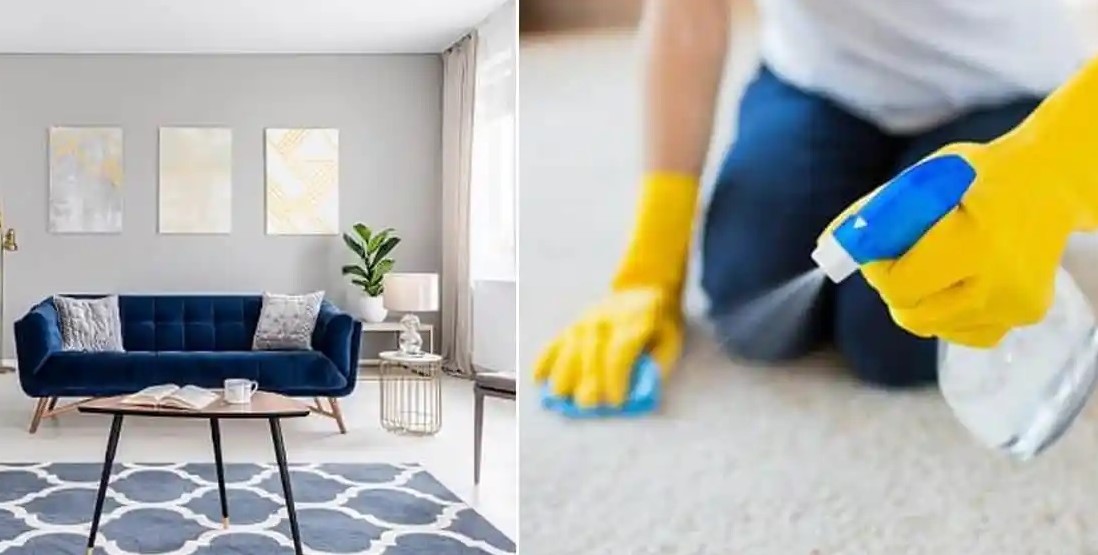
Why Traditional Odor Sprays Fail to Eliminate Odors Permanently
Persistent odors in homes from pets and kitchens to bathrooms and fabrics are frustrating and hard to control. You might reach for a scented spray or plug‑in in hopes of “freshening up,” but those products rarely deliver long‑lasting results. That’s because they mask smells instead of eliminating the odor at its source.
Traditional odor sprays work by introducing a fragrance that competes with bad smells in the air. While this can offer temporary relief, it does nothing to remove odor‑causing molecules embedded deep within fabrics, carpets, or plumbing systems. As soon as the fragrance dissipates, the underlying odors return. This is why homeowners often feel like they’re trapped in an endless cycle of spraying, sniffing, and respraying.
Understanding why traditional sprays fail and how bio‑enzymatic solutions work provides clarity on how to achieve permanent odor removal in the home rather than temporary masking.
What Causes Persistent Odors in the Home
Odors in living spaces don’t just “float around”; they originate from microbial activity and organic residue that produce gases our noses recognize as unpleasant. Common sources include:
- Pet accidents or dander
- Cooking residues and grease particles
- Bathroom odors lingering in drains or toilets
- Mold and mildew in moisture‑prone areas
- Organic waste in upholstery and carpets
Most of these odors come from bacteria and fungi breaking down organic materials. This process releases volatile organic compounds (VOCs) and microbial volatile organic compounds (MVOCs) into the air, small molecules that our noses detect as unpleasant smells.
According to scientific understanding of indoor air quality, odor particles can bind deeply to porous materials like carpets and upholstery, where masking sprays can’t reach. Effective odor removal requires methods that target the molecules at their source rather than just changing how the air smells.
Why Traditional Odor Sprays Only Mask Smells
Most over‑the‑counter air fresheners and odor sprays claim to “neutralize” bad smells, but in reality, many simply introduce another scent strong enough to overpower the unpleasant one. This creates a temporary illusion of freshness without solving the true problem.
When fragrance molecules are in the air, they must compete with odor molecules to be sensed by the olfactory system. As soon as the fragrance evaporates, the original odor molecules are still present and become noticeable again. In spaces like bathrooms, kitchens, and living rooms, where the root cause often lies within fabrics, floor coverings, and hidden crevices, sprays can’t reach the hidden odor sources.
Traditional sprays also typically don’t address bacterial or microbial growth, which is a leading generator of persistent odors. For example, an untreated pet accident can keep smelling because bacteria continue digesting proteins and fats deep within carpet fibers, releasing stinky compounds over time.
How Bio‑Enzymatic Odor Solutions Work
Bio‑enzymatic odor control technologies differ fundamentally from conventional sprays. Instead of merely masking odors, they break down the very molecules that cause the smell. These solutions rely on beneficial enzymes and bacteria that mimic natural processes to digest organic matter.
The Science Behind Enzyme Action
Enzymes are biological catalysts that accelerate chemical reactions without being consumed in the process. In the context of odor removal, they target organic molecules (such as proteins and fats) that produce odors and break them into smaller, non‑odorous components. This means the source of the smell is dismantled at a molecular level, making the odor less likely to recur. This same principle is used in a variety of effective odor control products, from enzyme cleaners for laundry and pet stains to more specialized solutions for RV holding tanks and enclosed spaces where odors persist.
Benefits of Bio‑Enzymatic Odor Removal Over Traditional Sprays
Bio‑enzymatic solutions offer several advantages:
- Long‑lasting results: They break down odor sources rather than masking them.
- Safe for fabrics and surfaces: They are often non‑toxic, biodegradable, and gentle compared to harsh chemical sprays.
- Effective on embedded odors: They penetrate deeper into porous materials like upholstery, carpets, and drains.
- Better for indoor air quality: They contribute to healthier living environments by reducing odor‑producing microbes.
By addressing odors at the source, bio‑enzymatic products prevent smells from returning, offering a much more sustainable solution for households with pets, kids, or frequent cooking.
Why Fresh Tent’s Approach Is Better
Fresh Tent specializes in science‑based odor control solutions that eliminate odors at their source rather than simply masking them with fragrance.
The philosophy behind Fresh Tent products is simple: don’t cover up odors, destroy the microbial and organic fuel that creates them.
Products from Fresh Tent are formulated to:
- Neutralize odor‑causing compounds at the molecular level
- Target microbial sources like bacteria and waste build‑up
- Work continuously in enclosed spaces, not just temporarily
This approach makes Fresh Tent a reliable solution for odor removal in homes, RVs, boats, tents, and outdoor living spaces.
Featured Solution: TNT Enzyme Toilet & Tank Treatment
What Is TNT Enzyme Toilet & Tank Treatment?
The Fresh Tent TNT Enzyme Toilet & Tank Treatment is a professional‑grade bio‑enzymatic product designed to eliminate odors at their source in waste systems such as RV and boat toilets and holding tanks. Instead of masking smells with heavy fragrances or harsh chemicals, TNT uses highly concentrated enzymes and beneficial bacteria to actively break down organic waste and odor sources.
This same microbial digestion approach is mirrored in household odor treatments: by encouraging organisms that consume odor‑causing material, odors are broken down rather than temporarily hidden.
How TNT Works
TNT treatment introduces thousands of active biological organisms into the system, where they begin consuming organic matter responsible for foul odors such as hydrogen sulfide and other gas‑producing compounds. As these organisms digest solids and soluble waste:
- The volume of waste is reduced
- Odor‑producing gases drop significantly
- Tank walls and plumbing stay cleaner
- Odors are prevented from forming in the first place
This biological charge creates an environment in which odor causes are removed rather than ignored, providing a much more reliable solution than masking sprays or chemical deodorants.
Key Benefits of TNT Enzyme Treatment
- Reduces odors at the source by eliminating odor‑producing waste
- Improves drain‑out speed for systems like RV holding tanks
- Fragrance‑free: avoids overpowering or artificial scents
- Provides continuous odor control when used as directed
- Safe and non‑hazardous, formulated specifically for RVs, boats, and portable sanitation systems.
These benefits make TNT ideal for anyone dealing with persistent toilet or waste system odors, but the same bio‑enzymatic principles also apply to broader household odor challenges.
Bio‑Enzymatic Odor Removal at Home
The same enzyme‑based principles that make TNT effective in RV systems also work in household settings. Enzyme cleaners for carpets, upholstery, and fabrics can break down organic soils and odor sources, making them particularly effective in homes with pets, children, or kitchens where food residues linger.
Unlike maskers that add fragrance on top of bad smells, enzymes digest the organic material responsible for odors. This makes enzyme‑based odor removal especially valuable in:
- Pet areas
- Bathrooms and toilets
- Laundry rooms
- Kitchens (especially near trash or sinks)
By using bio‑enzymatic methods, homeowners can achieve real, lasting odor removal rather than repeating the masking cycle that traditional sprays encourage.
Preventing Odors in the Home
While enzyme and biological treatments are powerful, the best results come when combined with odor‑preventing habits:
- Proper ventilation: Open windows and use fans to circulate air.
- Routine cleaning: Address spills and organic residue promptly.
- Humidity control: Keep indoor humidity below levels that support microbial growth.
The Environmental Protection Agency (EPA) notes that indoor humidity above 60% can promote mold and microbial growth, which contributes to persistent odors. This is why controlling moisture is an essential part of any long‑term odor strategy.
Choose Real Odor Elimination
Persistent odors don’t have to be a part of life. Traditional spray products offer only short‑term masking, leaving the root problem untouched. Bio‑enzymatic and microbial approaches, like those offered by Fresh Tent,
“Provide true odor removal by eliminating the source instead of concealing it.”
From RV waste systems to everyday household odors, enzyme‑based solutions are a smarter, safer, and more effective choice for long‑term odor control. With the right methods, you can enjoy a clean, fresh‑smelling home without reliance on harsh chemicals or artificial fragrances.
Read More: Understanding Household Cleaning Products For A Healthier Home
FAQs Section:
1. Why do traditional sprays fail to eliminate odors?
Because they mask smells with fragrances instead of removing odor‑causing molecules.
2. Are enzyme‑based products safe for home use?
Yes, they tend to be non‑toxic and biodegradable, making them safe for fabrics and families.
3. How long until enzyme solutions work?
Most enzyme cleaners begin breaking down odor sources immediately, but may require dwell time to reach deep odors.
4. Can biological products work on all types of odors?
They are especially effective on organic odor sources like pet, food, and microbial smells.
5. Is Fresh Tent TNT only for RVs?
While formulated for waste systems, the underlying enzyme technology translates to other household uses.